

The Innovative Product That Looks Impressive But Turns Out Too Complicated
Too many features‚ a gap between the demo and real life and a long learning curve leave many impressive new products sitting unused.
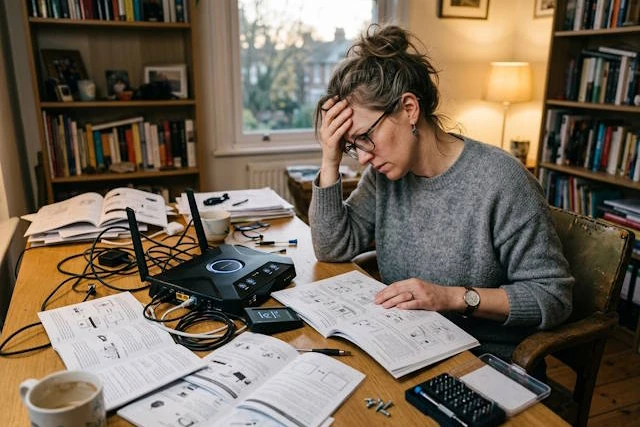
When you look at a new tech product presented as a major breakthrough‚ it is important to understand that the actual experience may differ from the first expectations formed when you see it. Many people discover that the interface is more complex than they thought and that simple actions require an unexpected number of steps. A long adjustment period is often needed before the device becomes truly useful in everyday life. When the complexity is too great‚ some users simply stop using the product despite its impressive technological potential. This is how an innovative product ends up in a closet or a drawer instead of becoming an active part of life.
Operational Complexity Caused by Too Many Options
One of the main factors that makes an innovative product too complicated for daily use is the sheer number of options it offers. When every action involves several menus‚ settings and sub-options‚ a simple task becomes more complex than it was on simpler devices. Users have to learn a whole system of functions before they can carry out basic actions. In many cases the result is confusion instead of a sense of technological progress. This way innovation itself becomes an obstacle to everyday use.
The Gap Between the Marketing Demo and Daily Use
Demo videos of tech products usually focus on ideal scenarios in which everything works perfectly and smoothly. The people in the videos already know the system well‚ so every action is done quickly and easily. When people buy the product and try to use it for the first time‚ they find that reality is more complicated. Some functions require additional settings or prior knowledge that is not always obvious. This gap creates the feeling that the product is more complicated than promised.
Feature Overload That Weighs Down the User Experience
Many tech products try to combine a large number of functions in one device in order to offer an all-in-one solution. Despite the good intentions‚ the result can be a crowded system that makes it hard to find the function you want in real time. Users have to move between different screens and search for options that are not always placed intuitively. When basic actions are not immediately available‚ the user experience suffers. This creates the feeling that the product is too advanced for everyday needs.
A Long Learning Curve for New Users
Many advanced technologies require a significant learning period before users can get the full benefit from them. During this period people may feel they are dealing with a complex system that is not entirely clear. Some users invest time in learning and experimenting until they understand the product in depth. Others decide to give up because the effort seems too great compared with the benefit. This way the long learning curve becomes a key factor in a product's success or failure.
Matching Technology to Existing Usage Habits
New technology succeeds in fitting into users' lives when it matches their existing habits‚ not when it demands a dramatic change in how they go about their day. When a product requires a completely new sequence of actions‚ people find it hard to adopt it over time. Products that follow the logic of existing tools‚ by contrast‚ are accepted much more easily. Matching existing habits allows technology to fit naturally into the routine. This way the product becomes a useful tool instead of remaining just a tech gimmick.
Summary
Many innovative products showcase impressive capabilities that attract a lot of attention at launch. However‚ the real test of any technology happens in daily use and not in the marketing presentation. Operational complexity‚ feature overload and a long learning curve can make an advanced product less convenient for many users. When technology does not fit existing habits‚ it struggles to become a permanent part of the routine. That is why successful innovation is the kind that manages to be both advanced and easy to use.