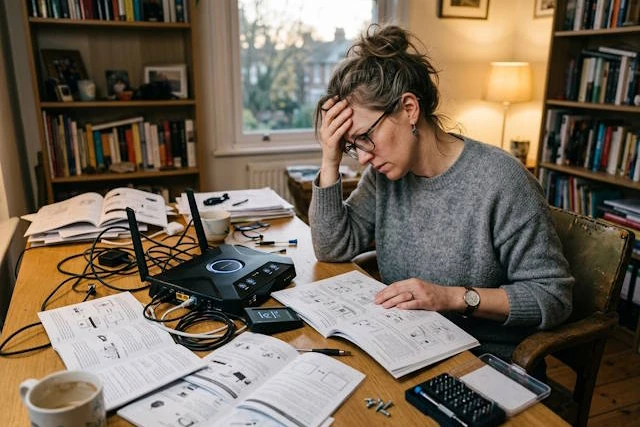

The Moment You Realize the Screen Runs More Than You'd Like to Admit
Small checks of messages and notifications quietly add up to hours of screen time‚ and awareness of these habits helps restore balance.
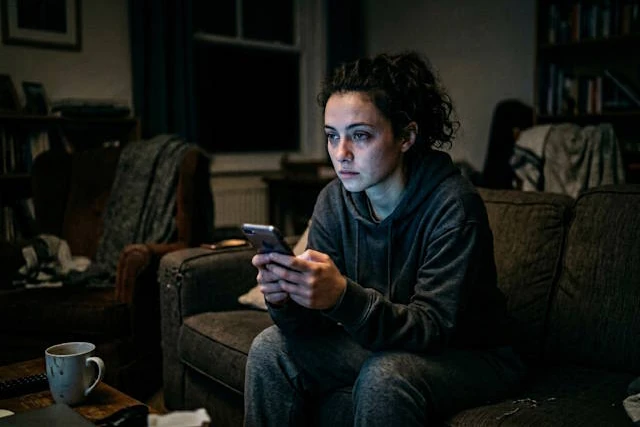
When you look at how screens fit into your daily routine‚ you can see how many actions in front of a digital device happen almost automatically. Opening messages‚ checking updates or switching between apps often happens without any conscious thought. These small actions add up over time and turn into many hours of screen use. Sometimes the realization comes when you look at the total time spent on the device during the day. That is when it becomes clear that the screen has become a key player in managing your time.
Digital Habits That Develop Gradually
Screen use does not turn into a significant habit in a single day but develops gradually over time. At first it means short checks of messages or updates during the day. Later these checks become more frequent until they fill almost every free moment. Users are not always aware of the change because it happens gradually. This creates a digital routine in which the screen is present in almost every daily activity.
The Constant Pull of Updates and Notifications
One of the main reasons for long screen use is the system of notifications and updates that appear throughout the day. Every new message sparks curiosity that draws attention back to the device. Notifications are designed to take priority within the flow of daily activity. When they appear often‚ they create a stream of small interruptions. This way the screen pulls the user back to it again and again.
How the Digital Environment Shapes Our Sense of Time
A content-rich digital environment can make time pass without you clearly noticing. Videos‚ articles and social networks offer an endless stream of information that keeps capturing attention. As the user moves from one piece of content to the next‚ the sense of time can blur. The result is longer use than originally planned. This way the screen becomes the main focus of activity for many hours.
Awareness of Usage That Helps Restore Balance
Once you become aware of how much time goes to screens‚ you get a chance to rethink the balance between digital activity and everything else. Awareness does not require giving up technology but understanding the place it takes in daily life. When users examine their habits‚ they can identify moments when screen use is not necessary. This creates an opportunity for a healthier balance between the screen and other activities.
Fitting Technology Into a Balanced Routine
Technology can be an important and convenient tool when it fits into a balanced mix of different activities. Mindful use lets you enjoy the benefits of digital tools without losing control of your time. When the screen is not the sole center of the day‚ you gain more freedom in managing your time. A balance between the digital world and other activities contributes to overall quality of life. This way technology remains a useful tool instead of becoming the one in charge.
Summary
Screens have become a central part of modern life and offer many benefits in different areas. However‚ their use can gradually grow into a habit that takes up a large part of the day. Awareness of your digital habits lets you rethink the balance between online activity and life away from the screen. When use is mindful and measured‚ technology fits into the routine in a healthier way. This way you can enjoy the benefits of the digital world without becoming completely dependent on it.