
When a Documented Conversation Beats a Good Memory
A written or recorded account of a conversation gives a clear reference point and helps prevent disputes over details memory can blur.

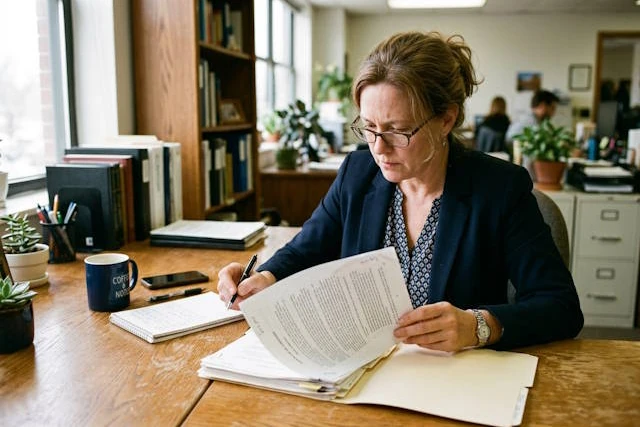
When a conversation is clearly documented‚ it creates a record that lets you go back to the exact details even after a long time. Documentation does not replace trust between people‚ but it provides a clear reference point if a dispute arises. Many people find that unexpected disagreements often develop precisely over small details. When you can go back to the original record‚ the discussion becomes clearer and relies less on feelings. That way a factual framework is created that helps settle disputes in a more orderly way.
Everyday Situations Where Memory Alone Is Not Enough
In many cases conversations that seem simple at the time take on a different meaning after a while. Small details mentioned in passing can later become central points of discussion. When you rely on memory alone‚ it can be hard to reconstruct things exactly as they were said. Each person may remember the same conversation from a slightly different point of view. That is why certain situations call for relying on documentation and not just personal memory.
Documenting Conversations as a Basis for Shared Understanding
When a conversation is documented in an orderly way‚ it becomes possible to go back to what was originally said. This reduces the chance of different interpretations developing about the same conversation. Documentation is not meant to create suspicion but to keep relations between the parties clear. When that clarity exists‚ it is easier to resolve disagreements calmly. That is why documentation can help build a shared understanding over time.
Why Precise Details Matter in Communication Between People
Many conversations include small details that do not seem important at first. Those same details‚ however‚ can take on great significance when a dispute arises later. When things are documented accurately‚ you can see how they were said and what the original intention was. This clarity makes it possible to understand the full context of the conversation. That way you can prevent misunderstandings that stem from a partial reading of memory.
Trust Between the Parties Alongside Clarity
Some people worry that documenting conversations could harm the sense of trust between people. In practice‚ in many cases the result is exactly the opposite. When things are documented transparently‚ each side knows there is a clear framework describing what was said. Knowing this reduces the chance of arguments over small details. That way documentation becomes a tool that helps keep relationships healthy over time.
A Broad Look at Documentation as a Legal Element
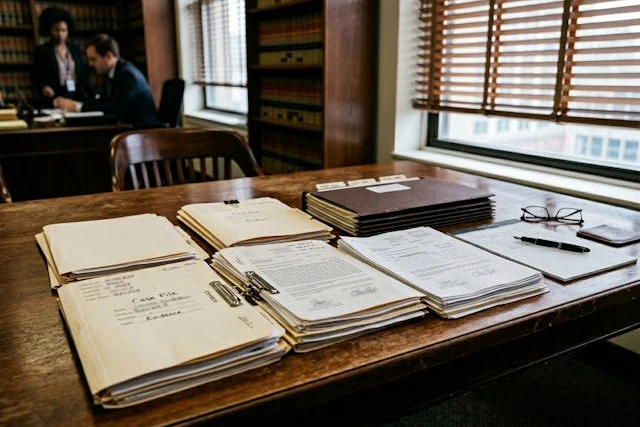
In the legal world‚ documentation of conversations can serve as an important basis for understanding past events. A written document or an orderly recording makes it possible to examine matters more objectively. When clear documentation exists‚ it can be treated as a starting point for establishing the facts. This gives significant weight to information that was preserved accurately. That is why documenting a conversation can be highly significant in certain cases.
In Summary
Human memory can be accurate in many cases‚ but it is also affected by time and personal interpretation. When a conversation is clearly documented‚ a stable reference point is created that lets you go back to things as they were said. Documentation helps prevent misunderstandings and brings clarity to situations where disputes arise. That way trust can be combined with a clear factual framework. In some cases simple documentation can prevent a complicated dispute in the future.